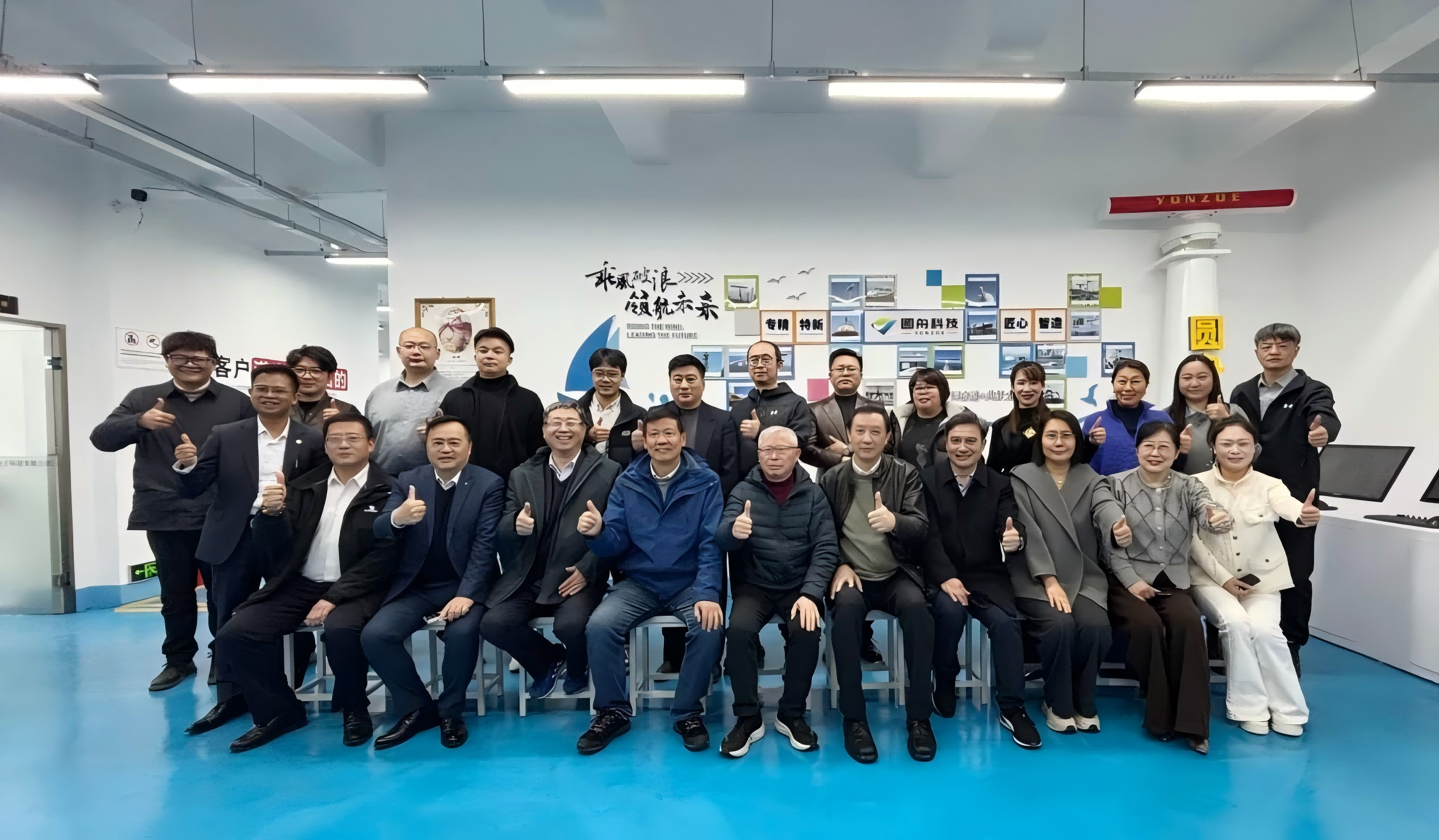
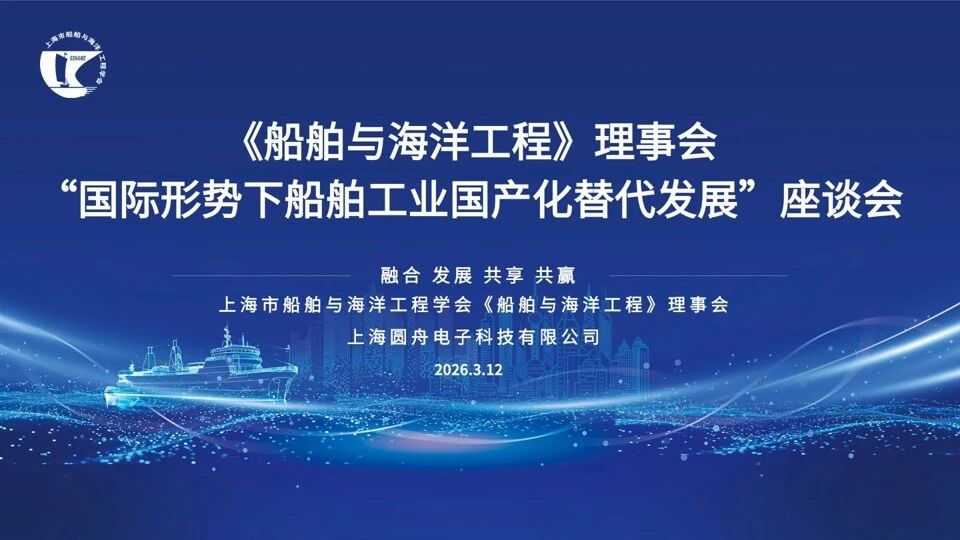
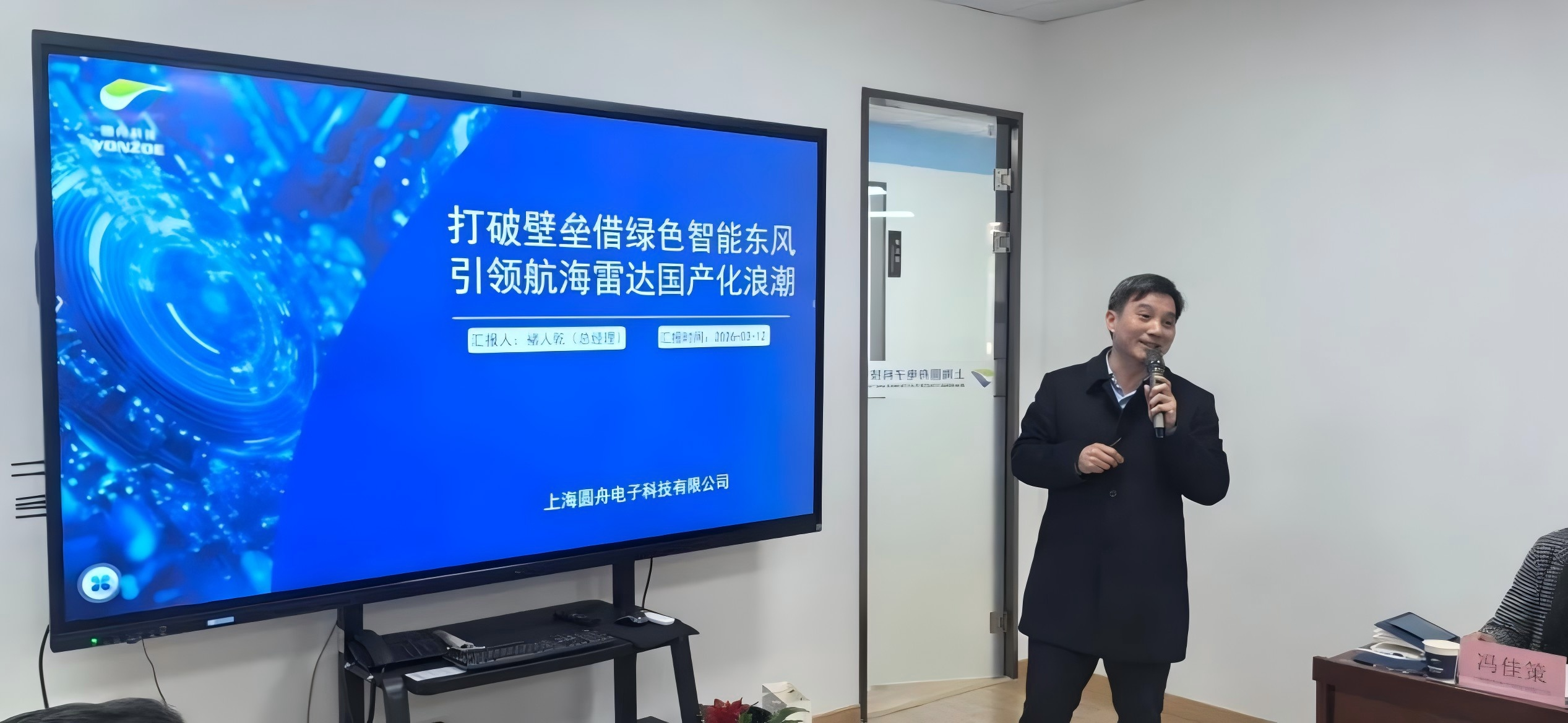
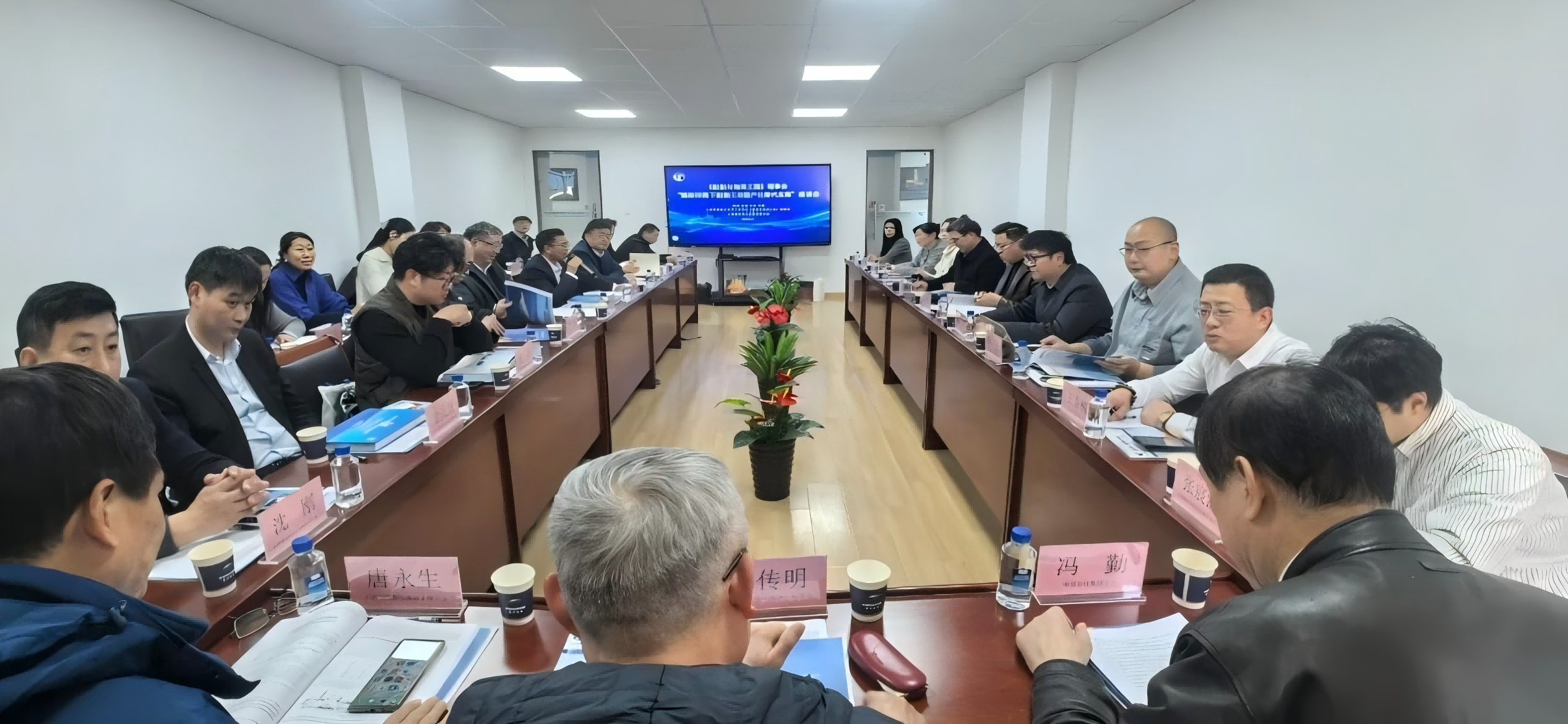
On a spring day in March, by the banks of Suzhou Creek, an assembly of distinguished guests gathered. On March 12, 2026, a symposium themed "Development of Domestic Substitution in the Shipbuilding Industry under the International Landscape" was grandly held at Shanghai YONZOE Electronic And Technology Co., Ltd. The event was hosted by the Ship & Boat Editorial Board of the Shanghai Society of Naval Architects and Marine Engineering, and organized by Shanghai YONZOE Electronic And Technology Co., Ltd. The symposium brought together industry leaders, authoritative experts, and representatives from dozens of key enterprises across the industrial chain, including SINOPEC, Tianhai Defense, and Hudong-Zhonghua Shipbuilding. Focusing on the core issue of domestic substitution in the shipbuilding industry, the gathering explored industry pain points, development opportunities, and practical pathways, aiming to build consensus and pool efforts to promote the autonomous and controllable, high-quality development of China's shipbuilding industry.
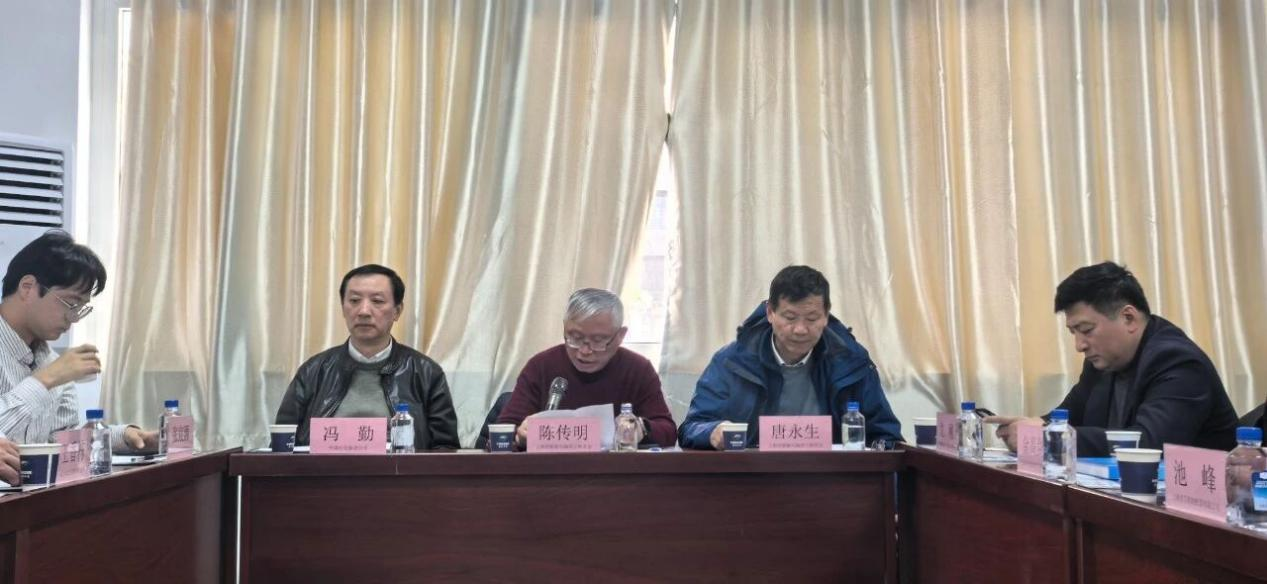
Closely aligned with the national strategy for domestic ship and ocean engineering equipment outlined in the 15th Five-Year Plan, and set against the backdrop of deep global industrial adjustment and a complex international situation, the symposium underscored that achieving core technological self-reliance and ensuring the security and stability of the industrial and supply chains are crucial for the steady and sustained progress of the shipbuilding industry. The meeting was chaired by Chen Xunwei, Deputy Secretary-General of the Ship & Boat Editorial Board, Shanghai Society of Naval Architects and Marine Engineering. Warm and inspiring speeches were delivered by leaders and experts including Chen Chuanming, Deputy Secretary-General of the Society; Tang Yongsheng, Director of the Ship & Boat Editorial Department; Feng Qin, Senior Expert at SINOPEC; and Xun Zhenglai, Chief Engineer of Tianhai Defense and President of the VR Conference Promotion Association for Ship & Ocean Equipment Design and Selection.
As the organizing enterprise, Shanghai YONZOE Electronic And Technology Co., Ltd. shared its innovative achievements as a benchmark enterprise in the localization of marine radar. With over a decade of dedication to marine navigation radar, YONZOE has adhered to independent innovation and successfully developed a full-spectrum marine radar product system. These products are widely used in various scenarios, including inland waterways, coastal areas, ocean-going vessels, unmanned surface vessels, shore-based surveillance, and marine remote sensing. Thousands of YONZOE radars are now in operation domestically and internationally, with the first unit having operated stably for over a decade—a tangible testament to the reliability of domestically produced equipment. Key performance indicators of YONZOE radars lead the domestic market and even surpass some international top-tier brands in certain aspects. Embracing the "China Red" as its national brand identity, the company is now deploying next-generation products and a global service system, driving domestic radar from a phase of "following" to one of "leading."
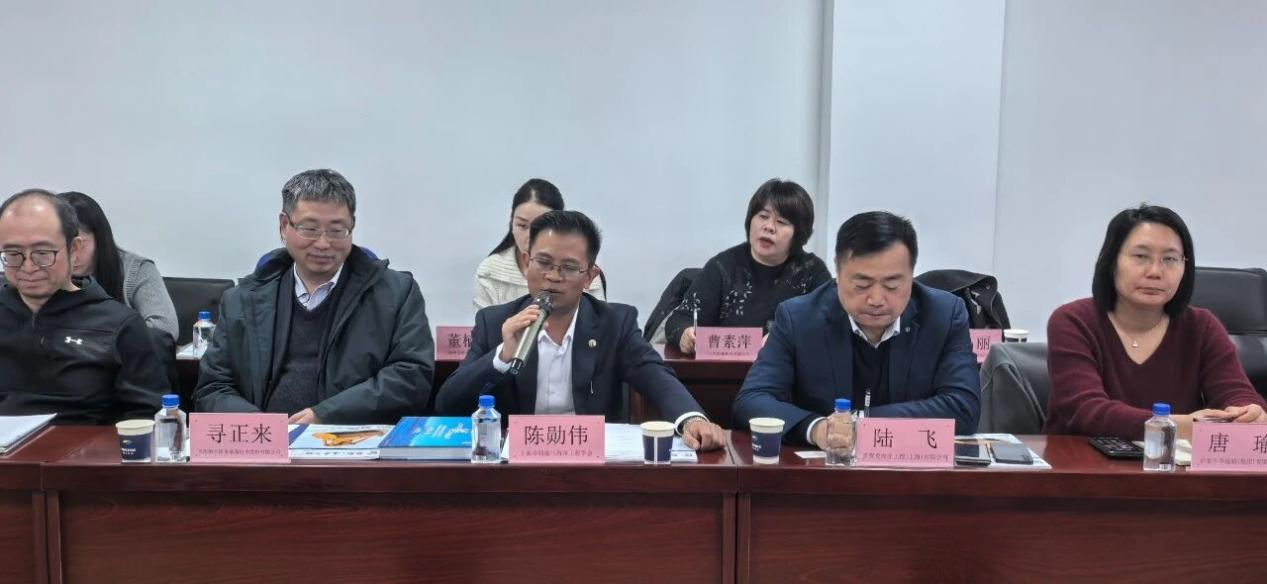
During the symposium, representatives from various enterprises across the industry chain actively spoke, sharing their experiences in domestic substitution practices and articulating their needs. Tang Yu, Deputy Head of the Supply Chain Management Department at Hudong-Zhonghua Shipbuilding (Group) Co., Ltd., identified three core challenges hindering the advancement of localization: performance track record barriers, large-scale application difficulties, and the lack of a global warranty network. She suggested that industry associations compile a recommended directory of domestically produced products and encourage enterprises to collaborate in exploring overseas markets, including establishing joint overseas spare parts warehouses. Weichai Power shared the achievements of its domestically produced marine main engines, highlighting their fully independent intellectual property rights and guaranteed delivery schedules, and noting their current efforts in developing new energy alternative fuel models. Supporting enterprises such as Shanghai Inframan Nanotechnology and Shanghai Feiqun Electronics called for strengthened synergy across the industry chain to facilitate the deep integration of domestic technologies and equipment. Representatives from the Rudong Yangkou Port Industrial Park Management Committee and overseas service providers also offered resources and channel support for the domestic substitution drive, from the perspectives of industrial supporting facilities and international market expansion.
The successful convening of this symposium has consolidated industry consensus on domestic substitution in the shipbuilding sector, established a practical platform for in-depth connection across the industrial chain, and clarified development directions and implementation pathways. Looking ahead, guided by national strategy and through the concerted efforts and collaborative innovation of the entire industry, China's shipbuilding industry is poised to break through foreign technological blockades, achieve core technological self-reliance, and steadily advance towards the mid-to-high end of the global value chain.